
Air Arc Gouging Hire
Spectrum – The UK’s Air Arc Gouging Specialists
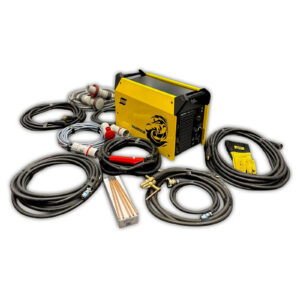
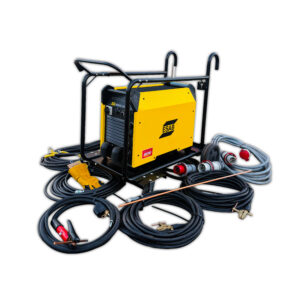
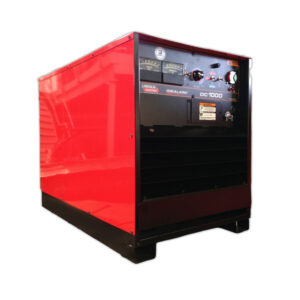
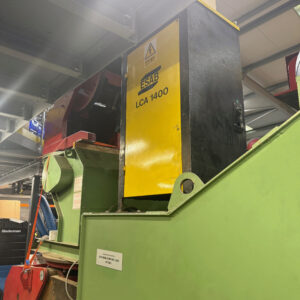
At Spectrum Welding Supplies, we operate the UK’s largest fleet of high-powered air arc gouging welders for hire, supplying industrial ARCAIR systems for weld preparation, back gouging, heavy fabrication, defect removal, demolition, foundry production, and repair welding applications. From portable industrial gouging packages through to ultra-heavy-duty 1400 amp systems and fully automated gouging equipment, Spectrum provides complete air arc gouging solutions designed for maximum metal removal speed, deep gouging capability, and industrial production performance.
No supplier operates more industrial air arc gouging equipment than Spectrum.
Fully Supported Hire Solutions
Our ARCAIR gouging hire packages are supplied ready for immediate workshop or site use, complete with full technical support and correctly configured gouging equipment.
- 400 amp to 1400 amp gouging systems available
- Ultra-heavy-duty industrial gouging power sources
- Any length welding cable packages available
- For heavy fabrication, cutting, and demolition
- Ideal for back gouging and full penetration weld preparation
- Industrial hire plant compressor supply available
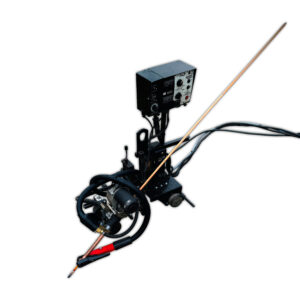
- Automatic air arc gouging systems available
All equipment is maintained to the highest standards and supported by our experienced fabrication specialists.
Hire from The UK’s Smartest Air Arc Gouging Supplier
Spectrum supplies industrial ARCAIR gouging systems designed around real-world heavy fabrication requirements. From precision weld preparation and defect removal through to ultra-high-amperage heavy metal removal applications, we provide the equipment, expertise, and support required to achieve maximum gouging performance and fabrication efficiency.
Air Arc Gouging Hire – Weekly Rates
| Equipment Type | Configuration | Weekly Hire Rate |
|---|---|---|
| 400 ARCAIR | Medium Duty | £200 |
| 655 ARCAIR | Heavy-Duty | £250 |
| 750 ARCAIR | High-Amperage | £300 |
| 800 ARCAIR | High-Amperage | £300 |
| 1000 ARCAIR | Production Duty | £350 |
| 1400 ARCAIR | Extreme Duty | £400 |
| AUTO-ARCAIR | Production | £750 |
To hire air arc gouging equipment, contact our team today to open an account and arrange immediate dispatch.
Contact Spectrum Welding Supplies
📧 Email: info@spectrumweldingsupplies.co.uk
📞 Telephone: 01246205267







Benefits of Air Arc Gouging
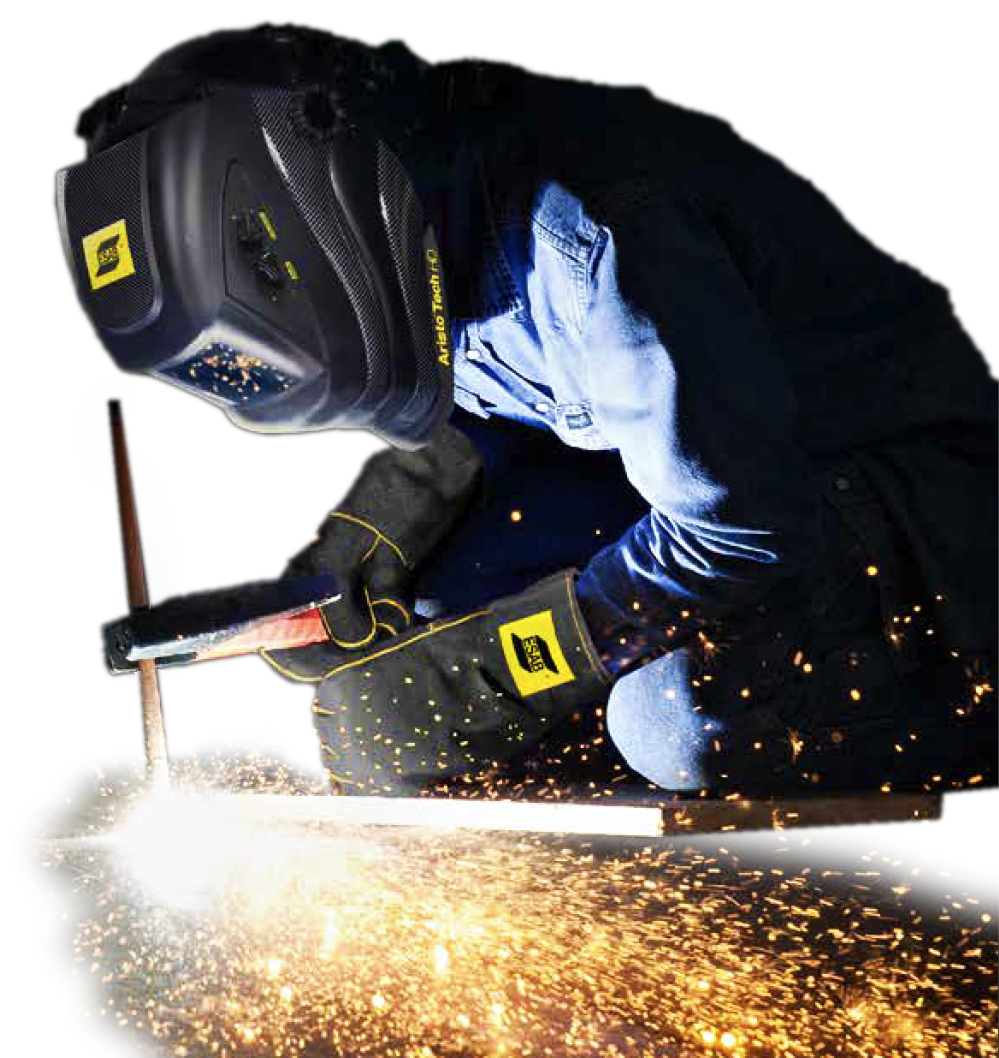
Air arc gouging is one of the fastest and most effective methods of metal removal and weld preparation used within fabrication, repair and heavy engineering. It is ideal for removing defective welds, preparing joints for full penetration welding and carrying out essential back gouging applications. Compared to grinding or oxy-fuel methods, air arc gouging provides faster material removal, greater control and improved efficiency, helping reduce downtime and costly rework. It is widely used for achieving clean weld roots, removing porosity and ensuring high-quality, defect-free welds across a wide range of steel applications.
Fast & Efficient Metal Removal
Air arc gouging can cut through any steel of any thickness, and in rapid time. If for example plunging a carbon into a ceased shaft, you'll be able to keep going further into the material with nothing to stop the carbon blasting away the steel. It is one of the quickest methods of removing unwanted metal, defective welds and preparing steel for rewelding. It is significantly faster than grinding and reduces downtime during fabrication and repair work.
Ideal for Weld Preparation
Perfect for creating clean U-shaped prep channels for full penetration welding. Different gouging carbons allow precise control over groove width and depth, making it suitable for both shallow surface prep and deep gouging applications.
Essential for Back Gouging
Air arc gouging is critical when carrying out double V-groove, double U-groove and full penetration weld preparations. It removes the MAG root from the reverse side, opening the joint for complete penetration and ensuring a sound weld structure.
Removes Weld Defects
Quickly eliminates porosity, slag inclusions and defective weld material before rewelding. This helps achieve cleaner weld roots and improves overall weld quality.
Achieves X-Ray Quality Welds
Back gouging is essential in coded and critical welding applications where complete fusion and defect-free welds are required. It helps meet stringent inspection and X-ray quality standards.
Reduces Costly Rework
By removing defects early in the welding process, air arc gouging prevents the need to remove complete weld runs later, reducing labour time, downtime and the risk of scrapping expensive fabrication work.
Versatile Across Applications
Suitable for:
- Steel preparation
- Weld preparation
- Fabrication repair work
- Foundry production
- Demolition
- Heavy engineering applications
Works in Multiple Positions
Air arc gouging can be used in flat, vertical and overhead positions, making it ideal for both workshop and on-site fabrication work.
More Precise Than Oxy-Fuel Gouging
Provides greater accuracy and control for weld preparation compared to traditional oxy-fuel gouging methods.
Carbon Sizes and Amperage Guide
Selecting the correct carbon size and amperage is essential for achieving efficient metal removal, stable arc performance and the correct groove width and depth during air arc gouging applications. Larger carbons require increased amperage and air flow to maintain optimal cutting performance and productivity.
| Carbon Size | Recommended Amperage |
|---|---|
| 5mm | 250 Amps |
| 6mm | 350 Amps |
| 8mm | 400 Amps |
| 10mm | 550 Amps |
| 13mm | 900 Amps |
| 16mm | 1200 Amps |
| 19mm | 1400 Amps |
Hire plant available configured with any length multi-cables and extension leads for ARCAIR gouging applications using 5mm up to 19mm carbons.

UK coverage for hire equipment
- England
- Wales
- Scotland
- Ireland
- Northern Ireland
- Europe