Product Description
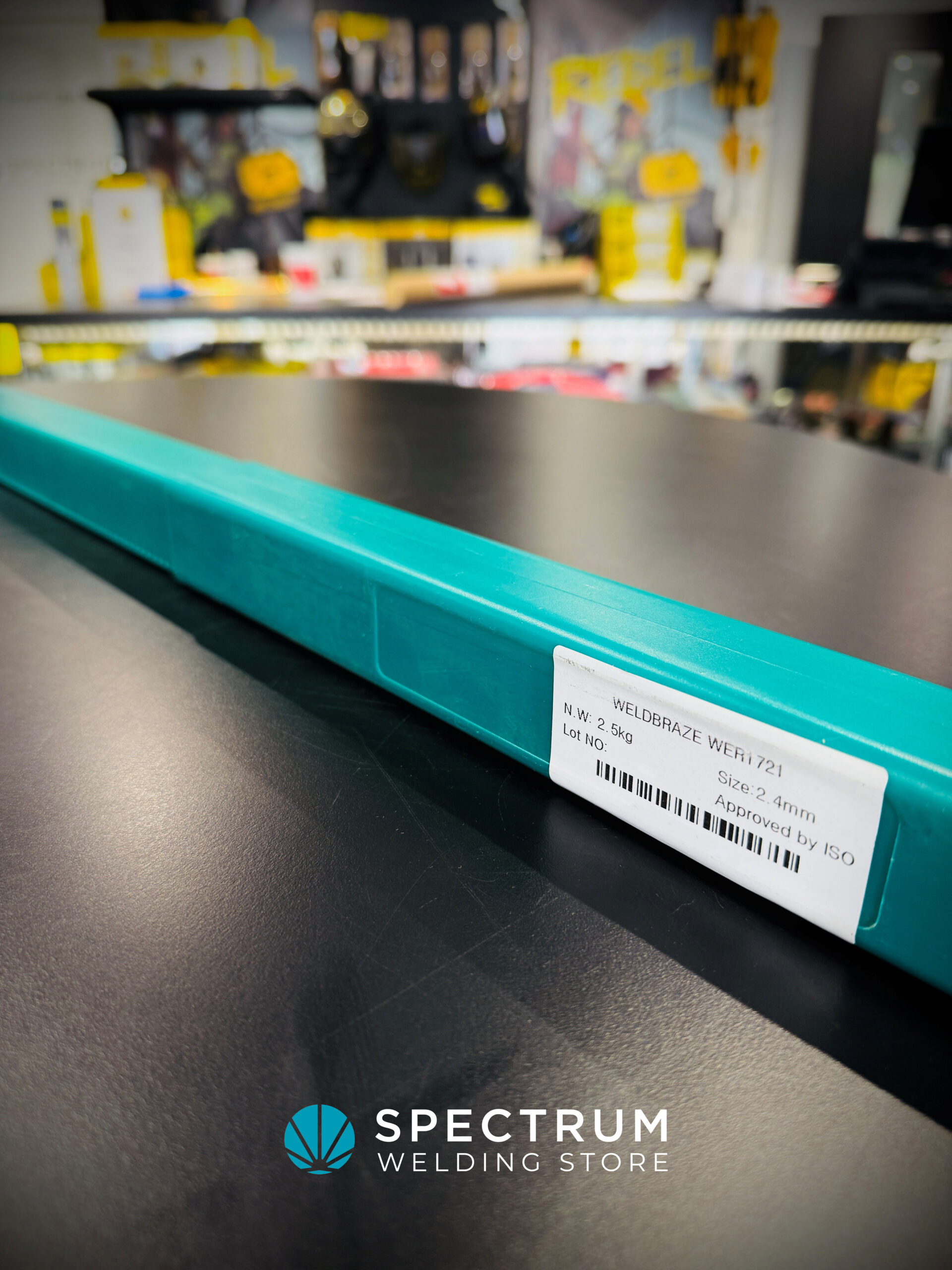
- 2.4mm x 1000mm
- Flux Coated
- Silicone Bronze Oxy/Fuel Brazing Rods
- 2.5kg tube
Brazing vs. Welding
Silicone bronze rods are often used for brazing rather than traditional welding. Brazing involves melting the filler metal (silicone bronze) to join the base metals (such as copper) without melting the base metals themselves.
Low Heat Input
The process requires less heat than welding, which helps in reducing distortion and preserving the properties of the base metals.
Versatility
Silicone bronze is quite versatile and can be used to join copper to other metals like brass, steel, and even stainless steel, making it a popular choice for artistic and architectural applications.
Corrosion Resistance
The bronze alloy provides good corrosion resistance, which is beneficial for applications exposed to the elements.
Aesthetic Finish
It offers an appealing appearance, often used in applications where the visual aspect of the joint is important.
- Clean the joint: Remove rust, paint, oil, grease, and scale from the surfaces to be brazed.
- Prepare the joint: Fit the parts together correctly. Additional brazing flux can be applied if required.
- Heat the parent metal: Use an oxy-acetylene torch to heat the joint evenly. Avoid concentrating the flame directly on the rod.
- Activate the flux coating: Touch the flux-coated rod to the heated joint. The coating will melt and flow as the metal approaches brazing temperature.
- Feed in the bronze rod: Once the joint is hot enough, touch the rod to the workpiece. The heat from the parent metal should melt the bronze and allow it to flow into the joint.
- Move along the joint: Keep the torch slightly ahead of the filler rod, maintaining even heat while feeding the rod as required.
- Allow to cool: Remove the heat and allow the joint to cool naturally.
- Clean the finished joint: Remove any remaining flux residue once the joint has cooled.